










When organizations make people decisions, it is most common to see a process full of bias, assumptions, expediency and rather ineffective results.
It does not need to be nor should it be that way.
The main decision inputs end up often coming from impressions and assumptions rather than through a process of validating information and making an effective group decision. This is why a comprehensive Baseline is needed to support these decisions. In this video discussion, we overview and generalize a bit on how a people decision process (hiring, promotion, team, project, development program choice…) might work when you have a comprehensive informational baseli
ne to validate and update as the process moves forward. Companies often have parts of this (or think they do because some of it is in their IT system or the capability is there OR they believe their recruiters do this - think again!) but the key elements that especially answer the question, will they do the job as a high performer? are missing.

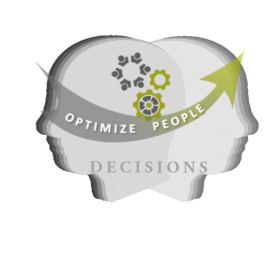



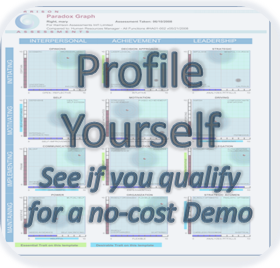
 One of the most difficult challenges managers face is choosing the right people and understanding how to get them to perform at their best. During the last 12 years of our experience, we have found no other tool except the Harrison Assessment that enables this kind of capability with incredible accuracy and insight.
 "The U.S. Department of Labor has estimated the costs to replace an employee to be approximately 1/3 their annual salary; but when you start looking at the impact of hiring the wrong employee and having to replace them, some studies say 2.5 times annual earnings, some 4 times and some even higher." AGILEdge